
Writing the duology about fae and the adoption system, Through the Yew Hedge: A Tale of Identity Magic, and Through the Iron Gate: The Rosemere Records, I found that magical realism and Celtic traditions offered fertile ground for the myths around identity and belonging, Stella’s story.
My father was one of five sons of Irish immigrants to New York City. He shared recordings of traditional music with me. My mother surrounded me with British and European fairy tales, folklore, and fables. I learned to read inside those worlds. I still do.
Many years later, a DNA test revealed my ancestry is rooted in England, Ireland, Scotland, and Wales. My full-length memoir explores what it means, as an adopted person, to learn and live in both my native and acquired heritage, and whether it is possible to accept both as gifts.
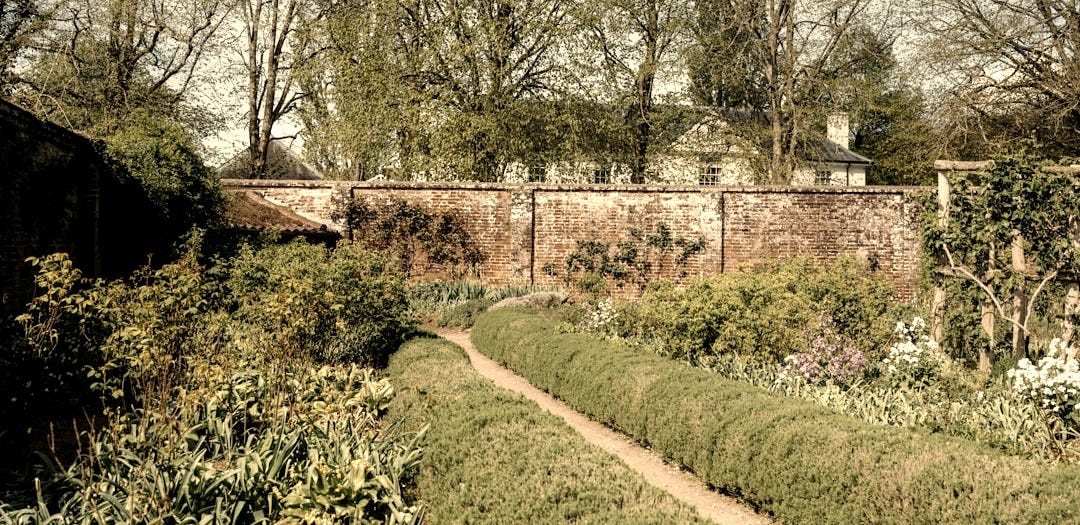
As a retired landscape gardener, I have long felt the deep connection between humans, wild, and cultivated spaces. We ignore that relationship at our peril. The Silverton Estate imagines a world where such liminal spaces are honored. Elizabeth Silverton’s work as a botanist, herbalist, garden designer, and medieval historian draws from British horticultural traditions and medieval monastic gardens. Sarah Caldwell follows in her footsteps, making the Estate her home and living laboratory. Sarah’s scientific approach and Cedra’s Magic are part of Stella’s life, not in opposition, but somewhat in dialogue.
In the worldview and practice of the eminent 13th-century Myddfai Physicians of Wales, Rhiwallon the Physician and his sons, healing takes place when ways of knowing are aligned with the empirical and the intuitive, the botanical and the spiritual, the rational and the mystical. Although boundaries between the supernatural and human world exist, they are permeable, with various consequences. The Myddfai Physicians were descended from the Lady of the Lake, according to the legend.
I am not a folklorist like Helen, nor an herbalist. I approach these traditions with respect, while also trying to tell a truthful story about adoption from an adoptee’s perspective; about the systems that act on human lives.
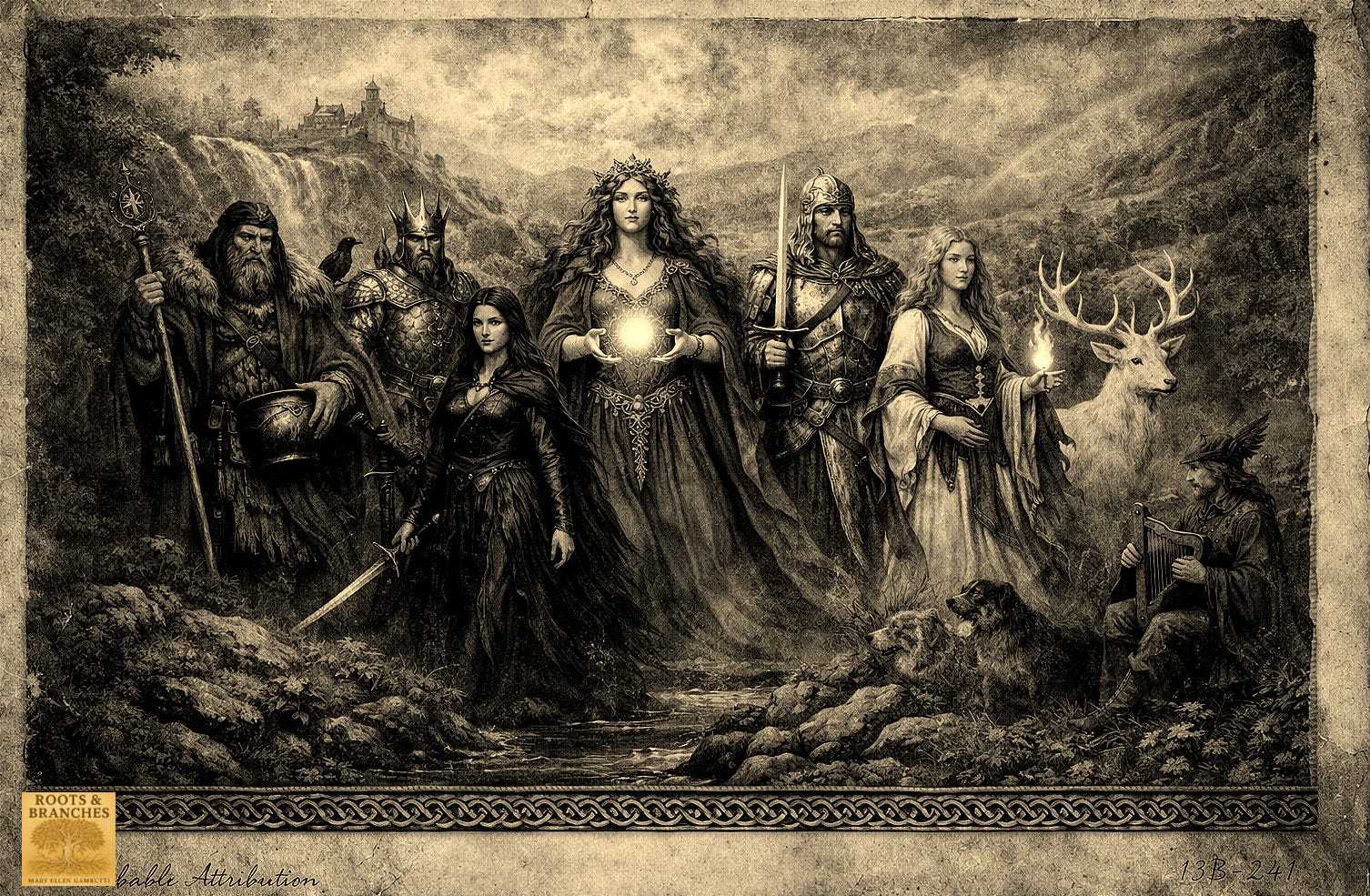
Stella’s gifts are real. Her half-fae heritage is linked to the Tuatha Dé Danann, a mythic people of Ireland with the skills of demi-gods, artistry, and druidic magic. After a final battle, they retreat into the Otherworld, where they are transformed into the Irish fairy folk. Their legacy is chronicled in The Invasions, set down by Medieval Catholic clerics, offering the Irish a sense of origin, identity, and belonging.
In my novella, the Fae Council: Cedra, Selwyn, and Eleris are complex, capricious, and unreliable. Cedra’s training method is bizarre, but Stella needs her guidance, like she needs Sarah’s observations and notes. They both seem to have a benevolent aim: to see Stella as a whole person.
Celtic tradition recognizes the power of naming, and of holding more than one truth at once. Either-or thinking can fracture identity. We are complex, nuanced. Imperfect. Can’t be fixed. Ruth Ann, Stella, Questa. Three names, dual nature, one life.
How can we honor traditional stories while also shaping new ones?
Thank you for reading,
I need a backyard landscape designer! I have fiddled w Chat GPT a bit, but, of course, it's not real. I'm going for a mix of whimsical, magical fairy / Hobbit look. I have the front yard done myself. Back yard gets diff sun/shade due to Nordic Pine trees.
Love the images!