
Wash Day
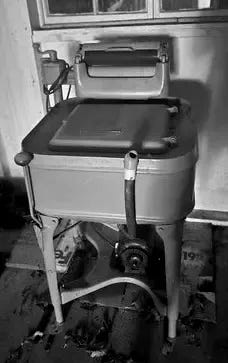
As a child, I shadowed my adoptive mother’s mother in her garden; was by her side at her Maytag wringer washer.
The laundry room was the unfinished side of our mid-century New Jersey basement, where Julia, my Nana, was in command of the Maytag wringer washer. Her husband, Mike, had bought it for her in 1928, to use on the front porch of their Pennsylvania clapboard house, and it was an improvement over a metal washtub in the yard.
When they left for New York City to find work around 1930, they brought the machine with them. Mike replaced the gas motor with electric so the Maytag could be placed in the tenement kitchen on West Broadway. A shallow, white-enamel roasting pan was still catching random oil drips in the 1950s through the early ‘70s, when the Maytag disappeared from our basement.
I was soothed by the rhythmic, soft clunk of the agitator against the simultaneous swish of suds. Nana gave me a small muslin bag of bluing to drop into the clear, cold rinse water on the right side of two attached concrete tubs, where the white socks swam. She soaked Granddaddy’s greasy pants in the soapy wash water that, she said, “extracts” from the black hose into the left tub. Nana watched me carefully feed socks into the wringer.
Sometimes she sang for me in a mournful voice while she worked,
Red River Valley, and“Mother, oh, why did you leave me alone,
No one to comfort, no friends, and no home?
Dark is the night, when the storm rages wild,
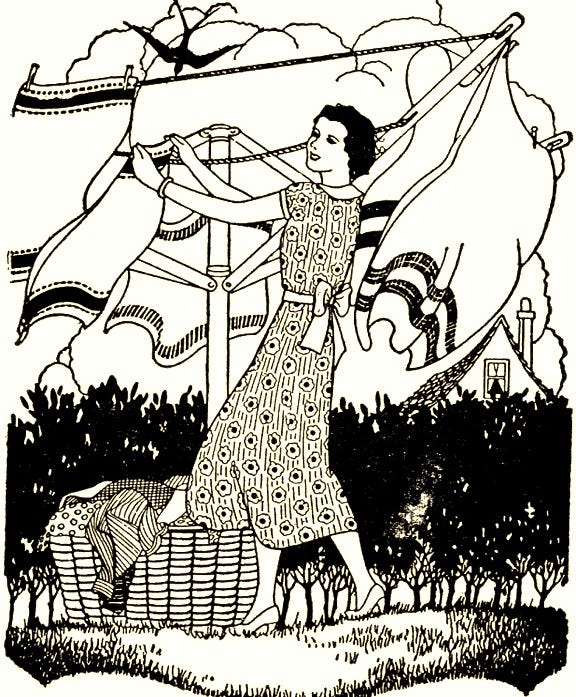
God pity Bessie, the drunkard’s lone child...”Nana declined to use the new Sears washer and dryer my parents purchased for the family home, preferring the old wringer washer and hanging the clothes outside, or in the cellar in the winter, or on a rainy day. She emerged onto the concrete stairs through the cellar screen door, and I followed. With her wringer-wrung wash in a vinyl-lined bushel basket hoisted onto her right hip, my slender, petite Nana climbed with strength and sure-footed determination.
Up in our lush backyard, I handed wooden clothespins to her. Some were spring-hinged; some resembled slender gingerbread people. She held a few extra clothespins between her lips as she hung the clothes. I copied her, holding one in my mouth, tasting and smelling the smooth wooden pin. Nana reached up to hang shirts, my playwear, and towels on the revolving, plastic umbrella lines.
On heavy wash days, Granddaddy’s work clothes were hung on a long rope fixed between two pin oaks. Here, Nana was far from the tarry, sooty air of her New York apartment roof, where clotheslines swayed between two metal poles. She was farther still from her country home, where she had learned these washday skills from her mother.
When I was nineteen, romancing the “back to nature” lifestyle, Nana gave me an oil lamp, washboard, ice cream churn, and one of her handmade quilts, her blessings toward the simple life shared from her rural upbringing.
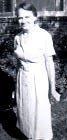
Grove, Fork Shoals, South Carolina
I patched together a likely turn-of-the-century washday of my great-grandmother, Marie, from bits and pieces I gathered at the Lenderman-Cox reunion in October 1993, the fall I turned forty-two and met my mother. Until searching at forty, I knew nothing of my birth family.
Sun rises over farm fields, and she piles up dark hair, ties a crisp apron over her work-dress. Born November 1, 1858, brown-eyed, sturdy and tall, Marie, daughter of a Greenville, South Carolina farmer and Civil War soldier, William Lenderman, and his second wife, Marie assumes care of her father’s home upon her mother’s death. Marie marries neighbor, John Cox, a prominent farmer. With their own eleven children; among the brood, Frank, my grandfather, they raise Marie’s youngest siblings.
Washdays, boys haul well water to the galvanized tub on a wood fire in the yard. Marie and the older children scrub with washboard and hang laundry on lines. In winter, washing is done at the woodstove, hung to dry in the kitchen.
Marie bakes bread and pies in her wood-fired oven, preserves home garden bounty—okra to beans, and peaches. John contributes wheat and corn. Her daughters ride with her to Simpsonville market in a horsedrawn wagon.
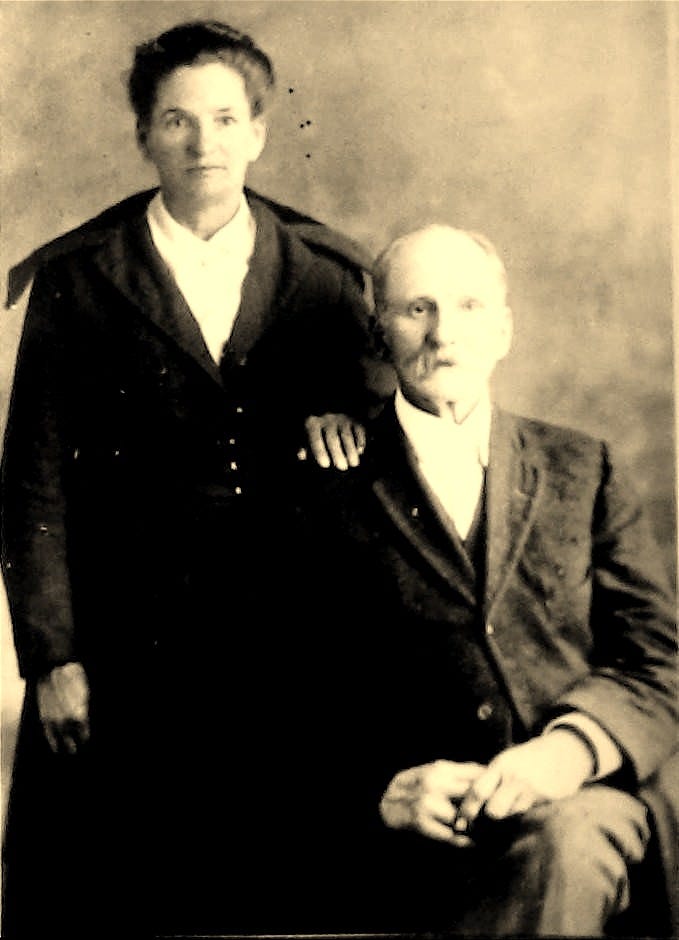
A formal photograph of Marie and John shows her standing tall, serene, looking straight at the camera. She wears a long, black wool suit, and white chemise. She’s fair-skinned with a high forehead and cheekbones. Her left hand rests on John’s right shoulder, as he sits beside her. Her fingers are long, like mine.

Thanks for reading!

Thank you for sharing this deeply moving piece. "Wash Day" is not just a reflection on a household chore; it is a beautifully rendered meditation on legacy, resilience, and the invisible threads that bind generations together.
Your writing has a wonderful, tactile quality. I could almost hear the "rhythmic, soft clunk of the agitator," smell the smooth wooden clothespins, and feel the contrast between the tarry air of a New York tenement roof and the lush green of a New Jersey backyard. You’ve managed to turn the evolution of a single Maytag wringer washer into a profound symbol of your family’s journey through changing times and landscapes.
As an adoptee, your exploration of identity and belonging (actually in all your pieces) adds a profound layer of depth to this narrative. There is a beautiful, poetic symmetry in how you bridge the gap between the family who raised you and the birth family you discovered later in life. Both your Nana and your great-grandmother Marie found strength, order, and dignity in the grueling labor of washdays. By piecing together Marie’s turn-of-the-century life from the fragments of that 1993 reunion, you’ve done something incredibly powerful: you’ve claimed your history on both sides, weaving a complete tapestry of who you are.
The image of your Nana passing down her oil lamp, washboard, and handmade quilt feels like a sacred passing of the torch. Through your words, you have honored the blessings of the family that chose you while beautifully making space for the roots that called you back. It’s a stunning tribute to the quiet endurance of the women who shaped your past and your present.Thank you for sharing!
Your prose took me back to the basement wringer washer with its concrete double tubs next to it and the long, pulley-operated clothesline that ran from the back porch. Summers outside drying. Winters: basement drying. Thank you for the journey.