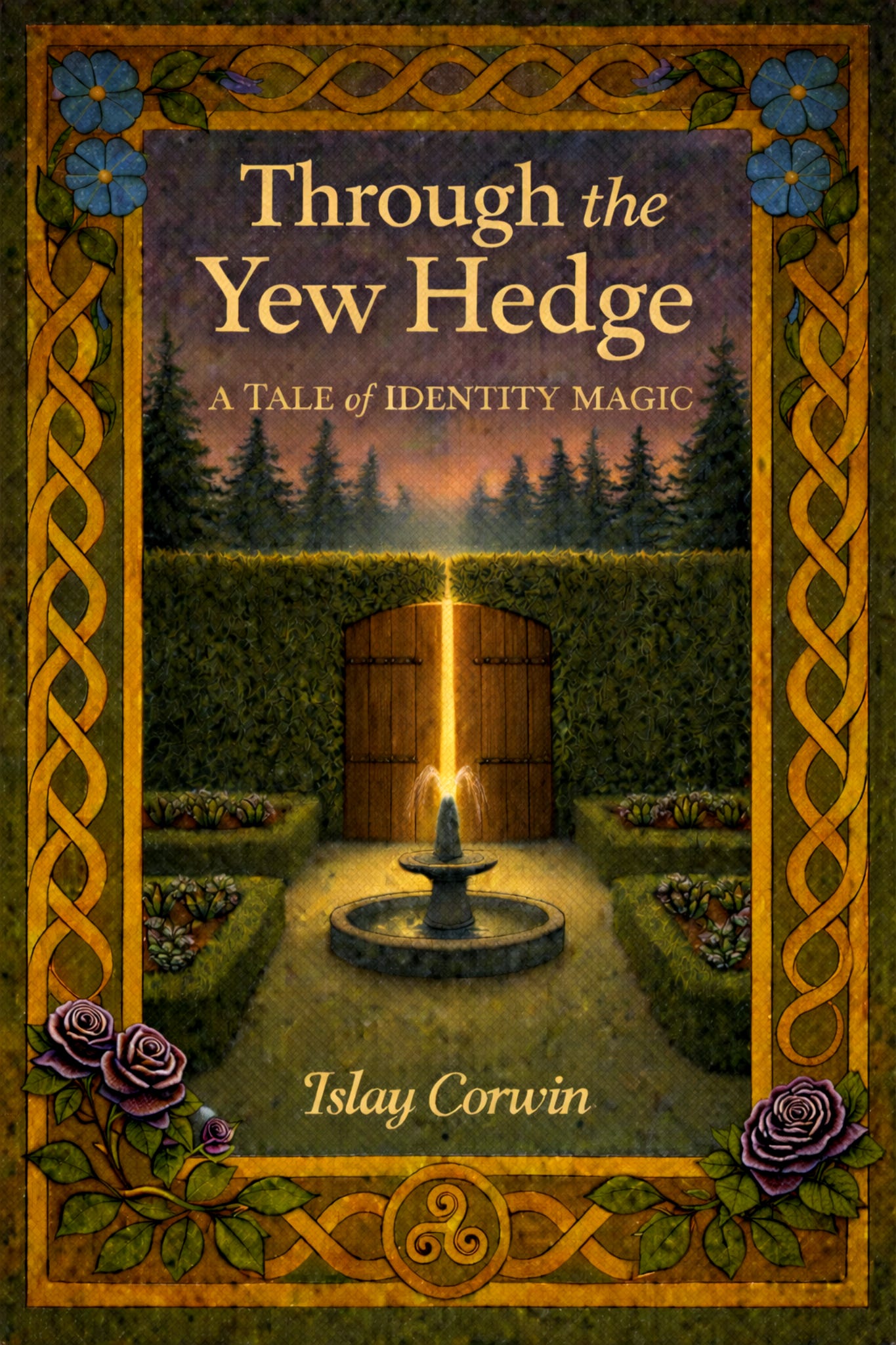
Dear Readers, Welcome to the first Behind The Hedge, occasional reflections on what lies beneath the story. For the past eight Wednesdays, I’ve been serialising my first novella, Through the Yew Hedge. Today, we begin Part Three: Questa - The Returning.
You might well ask, “Who is Questa?”
Please allow me ~
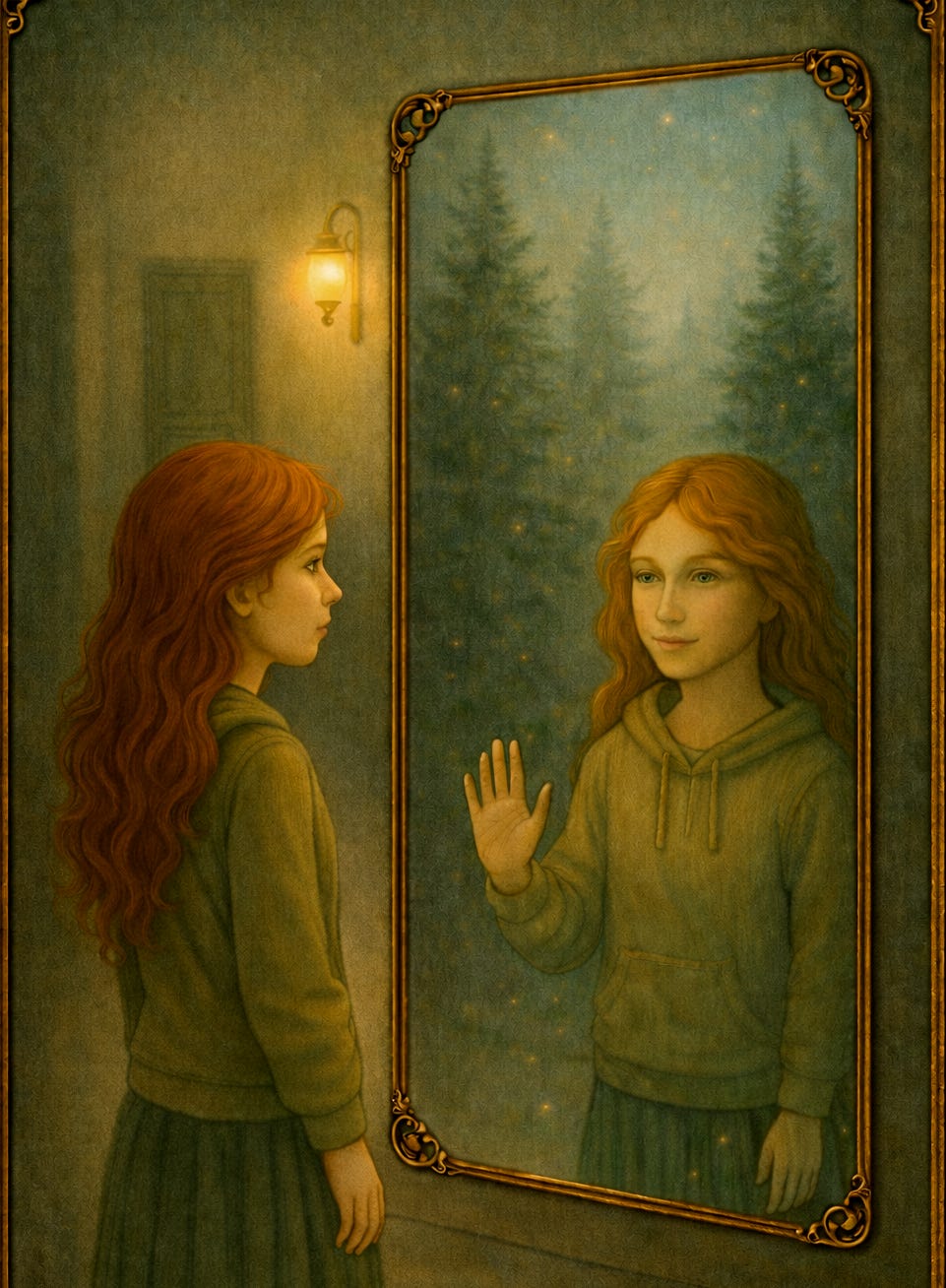
In this Tale of Identity Magic, the main character is Stella, an half-fae adoptee whose journey is marked by her changing names.
Names are thresholds, marking stages, or based on family or tradition. For Stella, it is her adoption that is honored by the star symbol. Her birth name is erased. She is briefly called Seeker, a hint of her third name: Questa.
In our Garden’s magic, you’ll have seen that what is foretold may not have been spoken aloud. And what is spoken aloud is not always fully claimed.
Like many adopted persons, Ruth Ann’s story is complex. The Returning of Stella to her full, integrated self begins now.
Thank you for walking with us. I hope you enjoy the gardens. I hope something rare blooms for you

About the Book
Boundaries blur, like the best hybrids, in the Silverton Estate’s Medieval Monastery Garden. In this liminal space, growth needs both structure and wildness. Roots connect the past to the present.
I offer this fantasy as an exploration of identity fracture, the myth and ethics around adoption, the right to one’s true story, and the tension between scientific observation and magical thinking.
Through cedar groves that serve as anchors, black roses that mark thresholds, and morning glories that bloom between worlds, I’ve penned a fairy story in botanical language to enrich its emotional landscape and shift like the Cedar Dryad character between narrative clarity and poetic lyricism, between ancient cedar forest and the manicured medieval monastery garden. Between literary fiction and magical realism.
Stella, whose half-fae nature is revealed at age thirteen, narrates from an omniscient-transcendent perspective, allowing young adult readers access to themes of self-discovery and identity formation. As Stella’s metaphysical abilities emerge, so does her longing and confusion about her place within her extended family and community. Her need to integrate her dual heritage rather than choose between worlds appeals to the fantasy of possible, unlocked potential.
© Mary Ellen Gambutti
All Rights Reserved